What Are the 2026 Top Types of Spark Plugs?

Choosing the right spark plug in 2026 is no longer a simple brand decision. Modern engines use different fuels, ignition systems, compression ratios, and emission controls. These details change how the spark plug performs inside the combustion chamber.

Kevin Cameron, a respected automotive and motorcycle technology writer, offers a practical reminder: “The plug is telling you what the engine is doing.” That idea matters. A clean, pale insulator may suggest efficient combustion. Dark carbon deposits can point toward a rich mixture, weak ignition, or repeated short trips. However, reading plug color alone is not enough. Modern fuel injection can hide problems that older engines revealed more clearly.

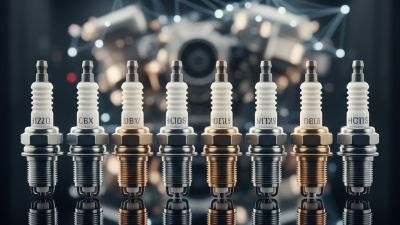
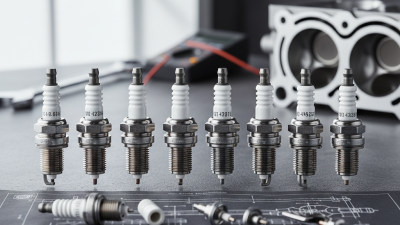
This guide examines the leading types available for 2026, including copper-core, platinum, iridium, double-platinum, and specialized racing plugs. Each type has a different electrode design, heat range, service life, and price. Iridium plugs often use a fine center electrode, which supports strong ignition with less required voltage. Platinum designs can provide dependable durability for ordinary daily driving. Copper-core plugs may still suit certain older engines and performance applications. They are not automatically inferior.

The best choice depends on the manufacturer’s specification. Always check the correct thread size, reach, heat range, gap, and resistance. A small mistake can cause misfires or damage. Even this comparison has limits. New engine software and changing fuel blends may challenge older recommendations. The most reliable decision combines factory data, inspection evidence, and advice from a qualified technician. The spark plug remains small, but its clues are remarkably valuable.
What Are the 2026 Top Types of Spark Plugs?

Spark Plug Basics and Their Role in Engine Performance

What Are the 2026 Top Types of Spark Plugs?

Spark Plug Basics and Their Role in Engine Performance

Spark plugs create the controlled spark that ignites the air-fuel mixture inside a gasoline engine. That small flash affects starting, acceleration, fuel use, and exhaust quality. A plug must deliver reliable energy under heat, pressure, and vibration. The wrong heat range can cause fouling or overheating. It is not simply a matter of choosing the most expensive option.

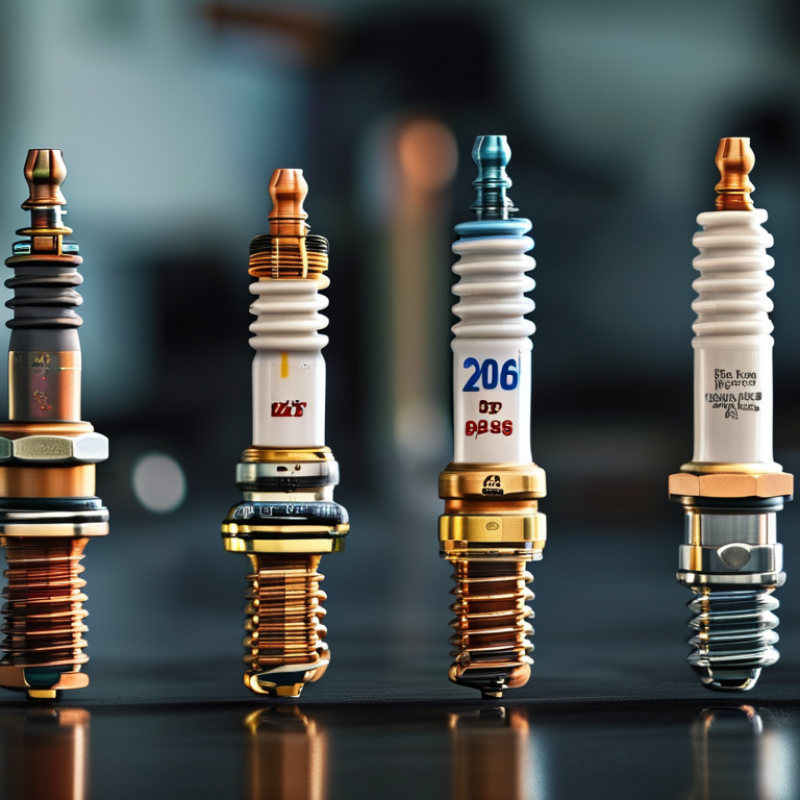
Copper-core plugs usually provide strong conductivity and quick response, but their service life is often shorter. Platinum plugs resist wear better and can maintain a stable gap for longer. Double-platinum designs may suit ignition systems that fire in both directions. Iridium plugs use a fine center electrode, helping produce a focused spark with less required voltage. They are popular in modern engines, but compatibility still matters more than appearance.

A practical inspection starts with the vehicle manual, not a sales claim. Check the specified plug type, heat range, thread size, and electrode gap. A worn plug may show a rounded electrode, dark deposits, or a pale, overheated tip. Small details matter. Uneven deposits can point to oil entry, rich combustion, or weak ignition components. Replacing plugs without checking these symptoms may hide the real fault. I have seen maintenance advice oversimplified; even correct information needs the engine’s operating conditions as context. Always use the stated tightening method, because excessive force can damage the cylinder head.

What Are the 2026 Top Types of Spark Plugs?

Spark Plug Basics and Their Role in Engine Performance

Typical replacement intervals vary by engine design, operating conditions, plug specification, and vehicle manufacturer recommendations. Nickel-alloy plugs generally have shorter service lives, while platinum and iridium electrodes usually maintain their gap and ignition performance for longer periods. Correct heat range, gap, and fit are essential for reliable combustion and engine performance.

How Spark Plugs Are Classified by Design and Materials

Spark plugs in 2026 are mainly classified by electrode design and construction materials. The common nickel-alloy plug uses a thicker center electrode and costs less, but it usually wears faster. Platinum plugs use a harder electrode tip, while iridium plugs use a fine-wire center electrode. That narrow tip needs less voltage and can support a more focused ignition spark.

Design changes performance.

Projected-tip plugs extend farther into the combustion chamber. They can improve flame exposure, but incorrect projection may cause overheating or mechanical contact. Fine-wire designs reduce electrode mass and help stable ignition during cold starts. Resistor plugs suppress electromagnetic interference from the ignition system. Surface-gap and multi-ground designs serve more specialized combustion chambers, rather than every passenger vehicle.

The U.S. Department of Energy describes spark ignition as a core technology for gasoline engines, while OICA reported 93.5 million motor vehicles produced globally in 2023. This large installed base keeps replacement demand relevant, despite rapid electrification. Market research reports from Grand View Research also identify platinum and iridium plugs as higher-value segments, driven by durability requirements and tighter emissions control.

Real workshop experience adds a warning. A premium material cannot correct the wrong heat range, gap, or thread size. Installation errors remain common. Service data should guide selection, not appearance alone. A fine-wire plug may last longer, yet severe oil fouling can shorten its life dramatically. Manufacturers’ fitment data should be checked against the engine code and operating conditions.

The Top Spark Plug Types Expected in 2026

The top spark plug types expected in 2026 will likely combine durability, precise ignition, and application-specific design. Iridium plugs should remain popular for modern turbocharged engines. Their fine center electrodes need less voltage and support consistent starts. Platinum plugs will continue serving drivers who want longer service intervals at moderate cost. Copper plugs still have value in older engines and simple performance applications, although they usually require more frequent replacement.

Double precious-metal plugs may gain attention because both electrodes resist erosion. This design can help maintain the correct gap over many miles.

However, plug material alone does not guarantee better performance. Heat range, thread size, electrode projection, and gap must match the engine. Fit matters. A small mismatch can cause fouling, misfires, or difficult starting.

Hybrid vehicles may favor plugs designed for frequent engine restarts and lower operating temperatures. High-compression engines may need stronger insulation and tighter manufacturing tolerances.

A careful technician should inspect the old plug before choosing a replacement. Light tan deposits often suggest normal combustion, while wet fuel or heavy carbon requires further diagnosis.

I would not select the most expensive type automatically. That assumption sounds convenient, but it can waste money. Service records, driving conditions, and the vehicle’s original specifications remain more reliable guides.

In 2026, the best spark plug type will depend less on marketing claims and more on verified engine compatibility.

Choosing a Spark Plug for Different Engine Requirements

What Are the 2026 Top Types of Spark Plugs?

Choosing a Spark Plug for Different Engine Requirements

Choosing a spark plug should begin with the engine manual, not advertising claims. The correct thread size, reach, heat range, and electrode gap protect combustion quality. A plug that looks advanced may still be wrong for a specific engine.

Copper-core plugs remain practical for older engines, simple ignition systems, and budget-conscious maintenance. They transfer heat effectively but usually require more frequent replacement. Platinum plugs offer a useful balance for everyday driving and moderate service intervals. Fine-wire iridium plugs suit many modern engines because their small electrodes need less ignition voltage. They can support stable starts and consistent combustion. Double precious-metal designs may work well when long service life matters, especially in engines with difficult plug access. Resistor plugs also help reduce radio and electronic interference.

Turbocharged, high-compression, or modified engines need closer attention. A colder heat range may help control excessive plug temperature, but choosing one without testing can create fouling and weak performance. Gap settings also matter. Follow the engine maker’s specification unless a qualified technician recommends a measured adjustment. Never force a pre-gapped plug into place.

I have learned that “premium” does not mean universal. A plug that performed well in one vehicle may misfire in another. Inspect the old plug for ash, oil, fuel deposits, or unusual wear before deciding. Small clues matter. Installation should use clean threads and the specified torque, since over-tightening can damage the cylinder head.

Key Factors for Comparing Modern Spark Plug Options

What Are the 2026 Top Types of Spark Plugs?

In 2026, the leading spark plug options differ mainly by electrode material and engine needs. Copper-core plugs offer strong conductivity and quick spark response. However, their service life is usually shorter. Platinum plugs resist wear better and suit many everyday petrol engines. Iridium plugs use a fine center electrode. This design needs less ignition voltage and supports stable starts. Double-precious-metal plugs can handle demanding temperatures and extended service intervals, but they cost more.

Material alone should not decide the purchase. Heat range is critical. A plug that runs too cold may collect deposits, while one that runs too hot can increase pre-ignition risk. Thread reach, seat style, electrode projection, and resistor design must match the engine. A small mismatch can cause misfiring or physical damage. Always compare the vehicle’s service data with the plug’s technical specifications.

Real driving conditions also matter. Frequent short trips may favor a plug with strong deposit resistance. High-load towing requires careful heat-range selection. In workshop checks, I look for uneven deposits, worn electrodes, and damaged ceramic before judging plug quality. The inspection can reveal fuel, ignition, or oil problems. Still, visual evidence is not conclusive. I once treated a clean-looking plug as healthy, then found a weak ignition coil during testing. That mistake reinforced the need for gap measurement, torque control, and proper diagnostic data. Slightly longer life is not always better if the plug is poorly matched.

What Are the 2026 Top Types of Spark Plugs? — Key Factors for Comparing Modern Spark Plug Options
Modern Spark Plug Type Center Electrode Material Typical Electrode Design Main Advantages Key Limitations Typical Best-Fit Applications Relative Service Life* Relative Cost Important Selection Factors
Nickel-Alloy or Conventional Plug Nickel-alloy tip or standard nickel alloy electrode Relatively large center electrode with a conventional ground electrode Low purchase cost; widely available; suitable for engines designed around conventional plugs; simple construction Requires a higher ignition voltage than fine-wire designs; electrode wear is generally faster; can be less effective in demanding modern engines Older gasoline engines, basic naturally aspirated engines, motorcycles, lawn equipment, and applications whose service manual specifies a conventional plug Shorter Low Correct thread, reach, seat type, heat range, gap, and resistor specification are essential
Single Platinum Plug Platinum pad on the center electrode, usually with a conventional ground electrode Platinum center electrode with a smaller firing tip than a conventional nickel plug Improved resistance to erosion; more stable gap over time; typically supports longer replacement intervals than conventional plugs Not always suitable for systems that require platinum on both electrodes; may cost more than nickel plugs; performance gains depend on engine design Vehicles specifically engineered for a platinum center electrode and engines with moderate operating demands Medium Moderate Verify whether the vehicle requires a single-platinum or double-platinum construction, especially on waste-spark ignition systems
Double Platinum Plug Platinum pads on both the center and ground electrodes Platinum center electrode paired with a platinum-enhanced ground electrode Better resistance to wear in both spark-eroded areas; more consistent gap retention; well suited to many waste-spark ignition systems Higher cost than conventional and single-platinum plugs; not a universal upgrade when the engine specifies another electrode material or design Engines in which the same plug may fire with reversed polarity, including many waste-spark ignition arrangements Medium to Long Moderate to High Check ignition-system polarity requirements, factory gap, heat range, thread reach, and emissions-control compatibility
Fine-Wire Iridium Plug Iridium center electrode, commonly formed as a fine-wire tip Very small center electrode designed to concentrate the electric field and reduce required firing voltage Excellent wear resistance; reliable ignition under high cylinder pressure; strong cold-start performance; generally supports long service intervals Higher cost; a small tip can be damaged by improper gapping or handling; must match the engine’s specified design Modern fuel-injected gasoline engines, turbocharged engines, high-compression engines, and applications requiring a low-voltage, stable spark Long High Do not widen or bend the fine-wire tip; follow the specified gap and use the correct resistor, heat range, and reach
Iridium-Platinum Hybrid Plug Iridium center electrode with a platinum-enhanced ground electrode Fine-wire iridium center electrode combined with a wear-resistant platinum ground pad Combines low-voltage ignition characteristics with strong resistance to ground-electrode erosion; consistent performance over extended use More expensive than conventional designs; construction and fitment are application-specific; not interchangeable solely because the thread size matches Late-model gasoline engines, compact high-efficiency engines, and engines with demanding ignition or emissions requirements Long High Match the original electrode configuration, projected or non-projected nose, heat range, gap, and electrical resistance
Ruthenium-Enhanced Plug Ruthenium-enhanced alloy, typically used on the center electrode or firing tip Fine-wire or tapered electrode geometry intended to improve durability and spark focus High resistance to electrode wear; stable spark performance; can offer long replacement intervals when approved for the engine Availability varies by application; the material alone does not guarantee better fuel economy or power; incorrect applications can cause poor operation Selected late-model gasoline engines where the manufacturer or plug specification expressly permits a ruthenium-based design Long High Use only when application data confirms compatibility; confirm gap, heat range, resistor value, reach, and ground-electrode configuration
Surface-Gap or Semi-Surface-Gap Plug Usually nickel alloy, platinum, or other specified erosion-resistant material Little or no conventional electrode gap; the spark travels across the insulator surface or a recessed firing area Can resist fouling in certain specialized engines; compact combustion-chamber packaging; designed for particular ignition and combustion conditions Highly application-specific; generally unsuitable as a generic replacement; may require a dedicated ignition system and exact specification Specialized gasoline engines, certain two-stroke engines, rotary-engine applications, and other designs explicitly requiring surface-gap operation Application-Dependent Moderate to High Never substitute for a conventional plug without confirming the exact engine and ignition-system requirements
*Service-life ratings are relative comparisons rather than universal mileage guarantees. Actual replacement intervals depend on the engine design, fuel quality, ignition system, operating temperature, oil consumption, maintenance condition, and the vehicle manufacturer’s service schedule.