Top 10 Benefits of Using an Oil Air Pump for Your Business?

In today's competitive market, optimizing efficiency is crucial. An oil air pump can provide significant advantages to businesses of all sizes. These pumps are designed to enhance various industrial operations. They improve air pressure and deliver consistent performance, reducing downtime.

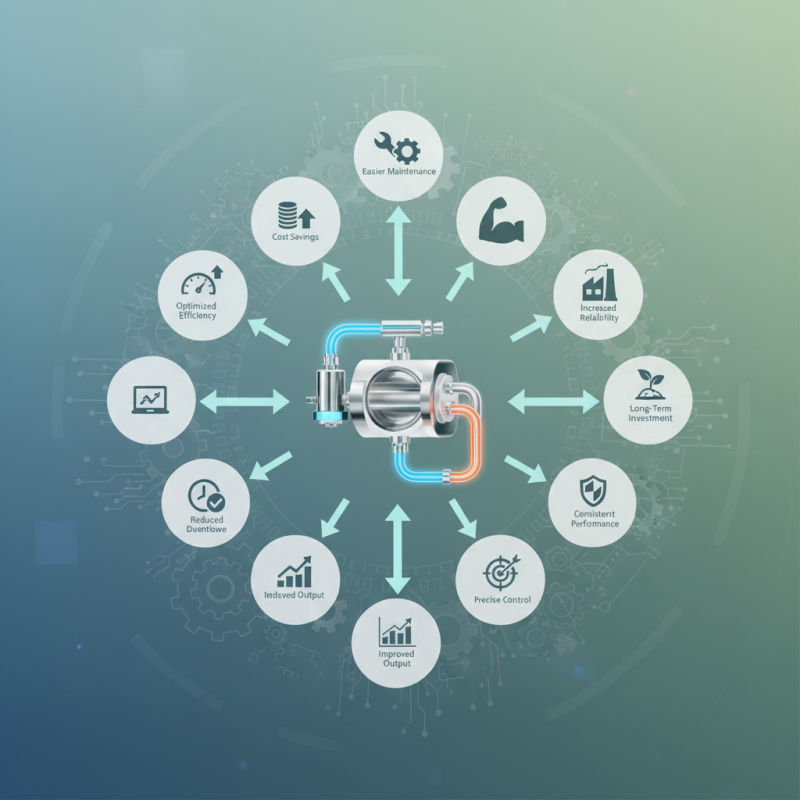
Using an oil air pump can lead to cost savings. It allows for precise control of air and oil mixtures, ensuring efficient functionality. Additionally, maintenance is generally easier compared to traditional pumps. This reliability can boost productivity. Workers spend less time troubleshooting equipment issues.

Many businesses overlook the long-term benefits of an oil air pump. Initial costs might seem high, but the value added is substantial. Investing in quality machinery often translates to improved output and lower operational costs. In a world where every minute counts, an oil air pump stands out as a strategic investment.
Top 10 Benefits of Using an Oil Air Pump for Your Business?

Top 10 Benefits of Using an Oil Air Pump for Your Business
Top 10 Benefits of Using an Oil Air Pump for Your Business?

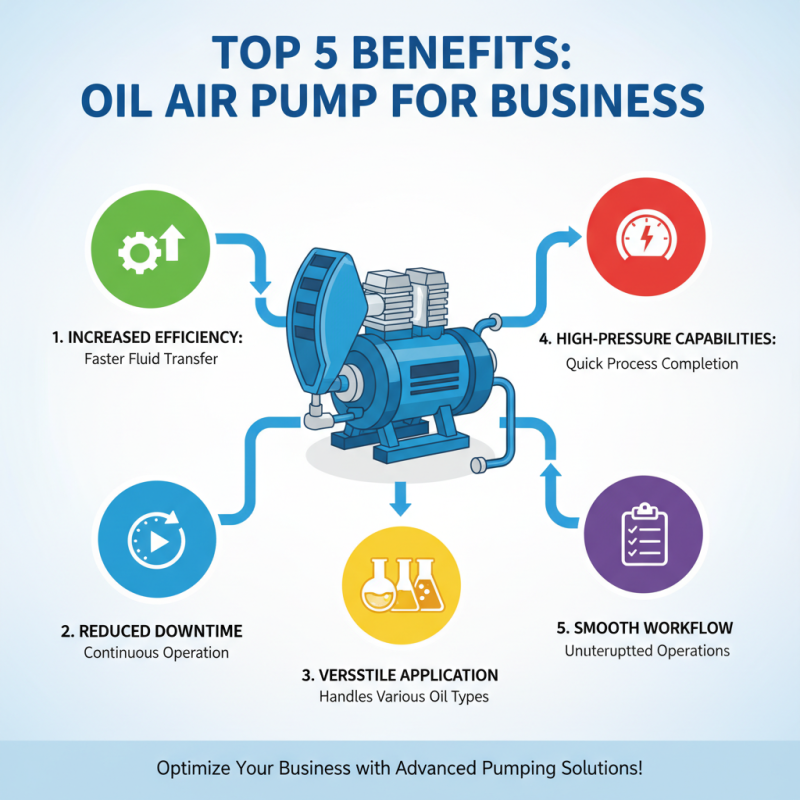
Using an oil air pump can significantly benefit your business in various ways. One key advantage is its efficiency in transferring fluids. This efficiency reduces downtime during operations. These pumps can handle different types of oil, allowing flexibility in applications. Their ability to generate high pressure ensures that processes are completed quickly. This means you can maintain workflow smoothly without unnecessary interruptions.

Maintenance becomes easier with oil air pumps. Their design often includes fewer moving parts, leading to a lower chance of mechanical failure. Maintenance checks can be done swiftly, minimizing operational delays. In industries where time is money, every minute counts. Regular use of this equipment can also lead to better energy consumption, impacting your bottom line positively.

However, it’s essential to acknowledge potential challenges. The initial investment might be higher compared to other pumps. Troubleshooting can be complicated if proper training isn’t provided. Not having skilled personnel can lead to operational hiccups. Proper training and guidelines are crucial for maximizing the pump’s benefits. With the right approach, the value added to your business can be substantial.
Enhanced Efficiency: How Oil Air Pumps Improve Operations

Oil air pumps significantly enhance operational efficiency in various industries. They provide a reliable source of compressed air, vital for powering machinery and tools. With a consistent airflow, businesses can maintain production levels without interruptions. This reliability reduces downtime and optimizes workflow. Employees can focus on tasks without worrying about air supply issues.

Moreover, oil air pumps are designed for durability. They withstand rigorous use and reduce maintenance costs. Regular checks are still necessary, as neglect could lead to unexpected failures. Some teams may overlook these routine checks, leading to sporadic performance dips. It's crucial for businesses to establish a regular maintenance schedule.

Efficiency also stems from the energy consumption of oil air pumps. They often use less energy compared to traditional models. However, the upfront cost can be a concern. Many companies debate the initial investment versus long-term savings. Investing in an oil air pump may seem daunting, but the benefits can surpass the costs when managed effectively.

Top 10 Benefits of Using an Oil Air Pump for Your Business

Cost Savings: The Financial Impact of Using Oil Air Pumps

Top 10 Benefits of Using an Oil Air Pump for Your Business?

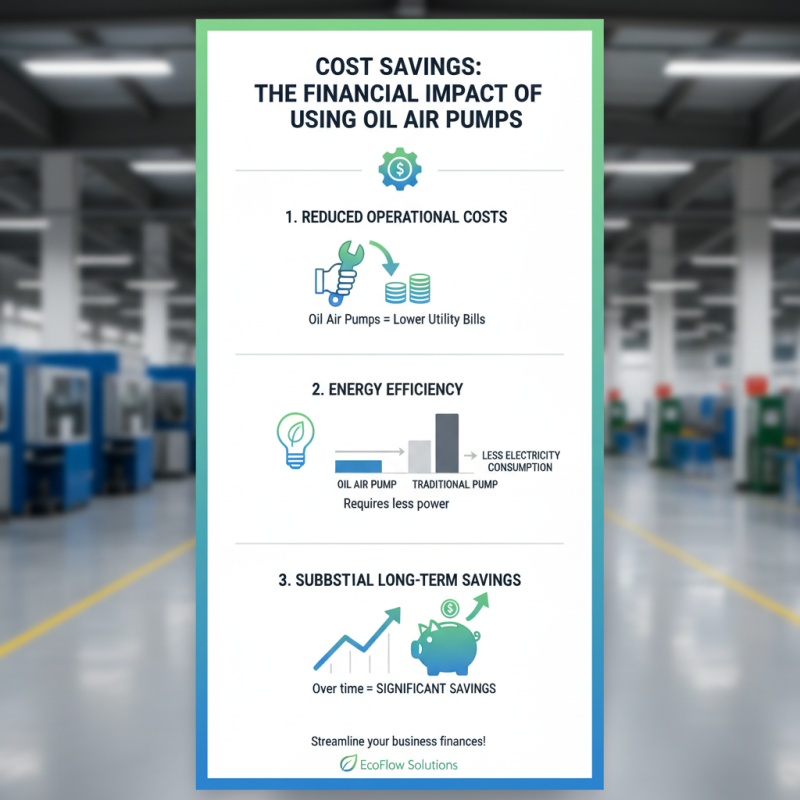
Cost savings play a crucial role in business success. Oil air pumps can significantly reduce operational costs. These pumps operate efficiently, requiring less electricity than traditional systems. Less energy consumption translates into lower utility bills for businesses. Over time, this can lead to substantial savings.

Regular maintenance on oil air pumps is typically straightforward. This simplicity can reduce downtime. Fewer repairs mean less money spent on labor and parts. Businesses can allocate these savings elsewhere. However, some companies might overlook initial setup costs. It's essential to evaluate the long-term financial impact when investing in this technology.

Businesses should also consider increased productivity. An efficient air pump can enhance the overall workflow. Employees spend less time managing equipment issues. This can lead to a more streamlined operation. While oil air pumps are a smart investment, it's vital to assess specific needs. Proper analysis can ensure that costs do not outweigh advantages.

Durability and Reliability: The Long-term Benefits for Businesses

In today’s fast-paced business environment, durability and reliability are key concerns for any organization. An oil air pump stands out in this aspect. These pumps are built to withstand heavy usage and harsh conditions. This reliability translates to lower maintenance costs over time. Each component is designed for longevity, ensuring minimal downtime. Such dependability fosters a smooth workflow, critical for maintaining productivity.


Moreover, the investment in an oil air pump pays off over the long haul. Businesses can expect fewer replacements and repairs. This reduces interruptions and allows teams to focus on core operations. The added advantage is that oil air pumps often perform better under continuous stress. Yet, it’s essential to consider potential inefficiencies. Regular maintenance is crucial to ensure optimal performance. Without it, even the most resilient equipment can falter. Implementing a routine check can mitigate these risks. Balancing ongoing reliability with proactive care is vital for sustained success.

Environmental Sustainability: Oil Air Pumps and Green Practices

Oil air pumps contribute significantly to environmental sustainability in various industries. These systems are designed to minimize oil consumption while maximizing energy efficiency. According to a study by the Energy Efficiency Council, businesses can reduce energy costs by up to 30% through the use of advanced oil air pumps. This reduction not only lowers operational costs but also helps decrease greenhouse gas emissions.

Switching to oil air pumps can improve air quality. The American Society of Mechanical Engineers reports that compressed air systems are responsible for approximately 10% of industrial energy use. By integrating oil air pumps, companies can reduce unnecessary energy waste and improve their overall carbon footprint. However, not every business fully understands these advantages. Many industries are slow to adopt such technologies, often due to a lack of awareness or insufficient resources.

It's essential to recognize the potential of these pumps in preserving our environment. While they offer clear benefits, some companies may face challenges during the transition. Initial installation costs can be a barrier. There can be concerns around maintenance and training as well. Nevertheless, the long-term sustainability gains are compelling. As more businesses consider their environmental impact, embracing oil air pumps becomes an increasingly viable option.

Conclusion

The use of an oil air pump offers numerous advantages for businesses seeking to enhance their operations. Firstly, these pumps significantly improve efficiency by streamlining processes, leading to increased productivity. They also provide substantial cost savings, as they reduce maintenance expenses and energy consumption over time. The durability and reliability of oil air pumps ensure that companies can rely on them for consistent performance, ultimately contributing to long-term operational success.

Moreover, oil air pumps align with environmental sustainability goals by minimizing waste and promoting greener practices. Their versatility allows for a wide range of applications across various industries, making them an invaluable asset for businesses looking to optimize their operations while remaining eco-conscious. In summary, integrating an oil air pump into business practices can lead to enhanced efficiency, financial benefits, and a commitment to sustainability.