2026 Best Air Tool Oil Brands You Should Consider?
When it comes to maintaining your air tools, selecting the right air tool oil is crucial. This type of oil ensures optimal performance and longevity for your pneumatic devices. Not all air tool oils are created equal, and knowing which brands to trust can make a significant difference in your tool's efficiency.
In 2026, several brands stand out for their quality and reliability. They offer specialized formulations designed to reduce wear and tear while preventing rust and corrosion. Choosing the right air tool oil involves considering viscosity, additives, and the specific needs of your tools. It is essential to understand these factors to maximize the performance of your equipment.
While many users may overlook the significance of air tool oil, cutting corners can lead to regrets. A poor-quality oil may cause increased friction and potential damage to your tools. Therefore, it's important to reflect on your choices. Investing in the right air tool oil is not just about cost; it’s about ensuring your tools work effectively for years to come.
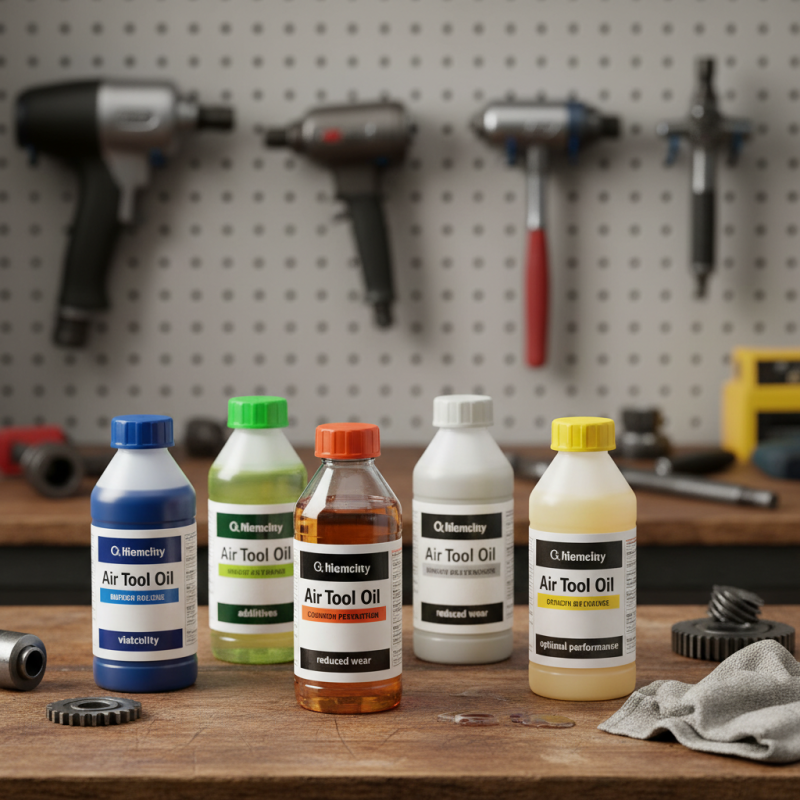
Overview of Air Tool Oils and Their Importance
Air tool oil plays a critical role in the longevity and performance of pneumatic tools. It lubricates internal components, reducing friction and wear. Regular use of the right oil can enhance efficiency and prevent mechanical failures. Air tools rely heavily on consistent lubrication to function optimally. Neglecting to use proper air tool oil can lead to costly repairs or replacement.
Selecting the correct oil is essential, yet not always straightforward. Different formulations exist, and what works best may vary by tool type. For some users, it might feel overwhelming to choose among available options. Users may encounter misleading information online, making trust a key factor in their selection process. A well-informed choice not only protects your equipment but also boosts your workflow efficiency. Observing how your tools perform after lubrication reveals much about the oil's effectiveness.
Key Features to Look for in Air Tool Oils
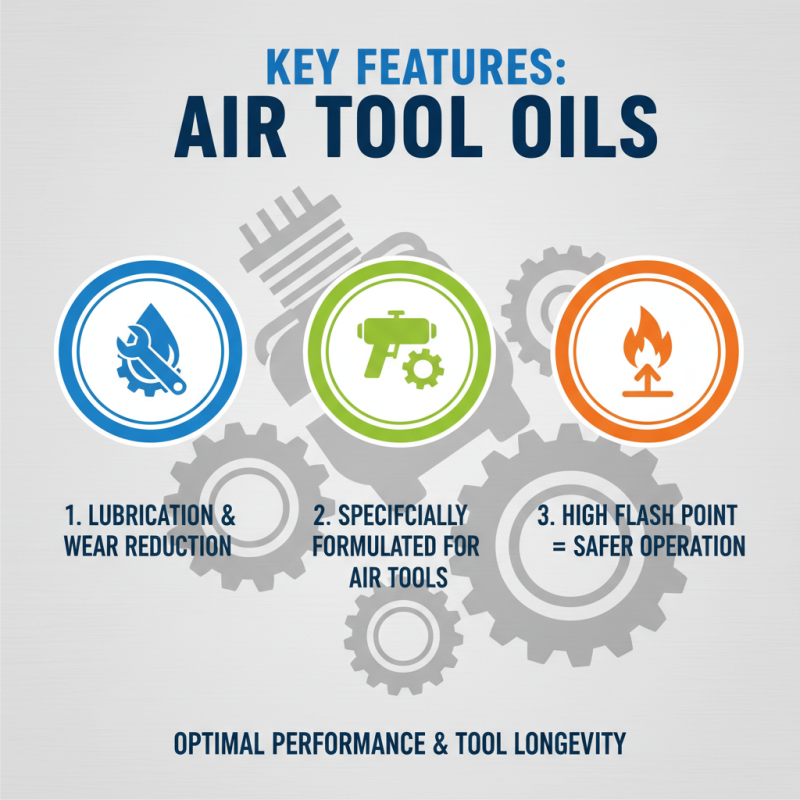
When choosing the best air tool oil, key features should not be overlooked. A quality air tool oil should provide excellent lubrication while reducing wear on your tools. Look for oils that are specifically designed for air tools. This ensures compatibility and optimal performance. They should also have a high flash point. A higher flash point means better safety during operation.
Tip: Always review the viscosity of the oil. Select an oil that matches the temperature range of your work environment. Oils that are too thick in cold conditions can hinder tool performance. Conversely, thinning oils may evaporate too quickly in heat, causing damage.
Consider the additive packages in the oil as well. These additives enhance performance, resist moisture, and prevent corrosion. Using an oil with anti-wear and anti-foaming properties can elevate your tool's longevity. Careful attention to these details can make a significant difference.
Tip: Regularly check and replace your air tool oil. Contaminated oil can lead to reduced efficiency. Perform routine maintenance to avoid costly repairs down the line. Keeping an eye on these factors will ensure your tools remain reliable and effective.
Top Air Tool Oil Brands for 2026
When it comes to air tool oil, the choice can be overwhelming. For 2026, selecting the right oil is essential for optimal performance. Quality air tool oils enhance the lifespan of your tools. They reduce friction and protect against rust. This protection is vital, especially in humid environments.
Consider viscosity. A thinner oil may work for lighter tools, while thicker oil benefits heavier equipment. Also, check for compatibility. Not all oils suit every tool type. Paying attention to specifications can prevent potential damage. Some oils might not provide adequate lubrication, leading to wear and tear.
In the quest for the best air tool oil, user reviews can be enlightening. Look for experiences that highlight both positives and negatives. It can be insightful to read about how different oils interacted with various tools. Sometimes, people discover that what works for one tool may not perform well for another. Balancing experience with research can lead to informed choices.
Comparative Analysis of Leading Air Tool Oil Brands
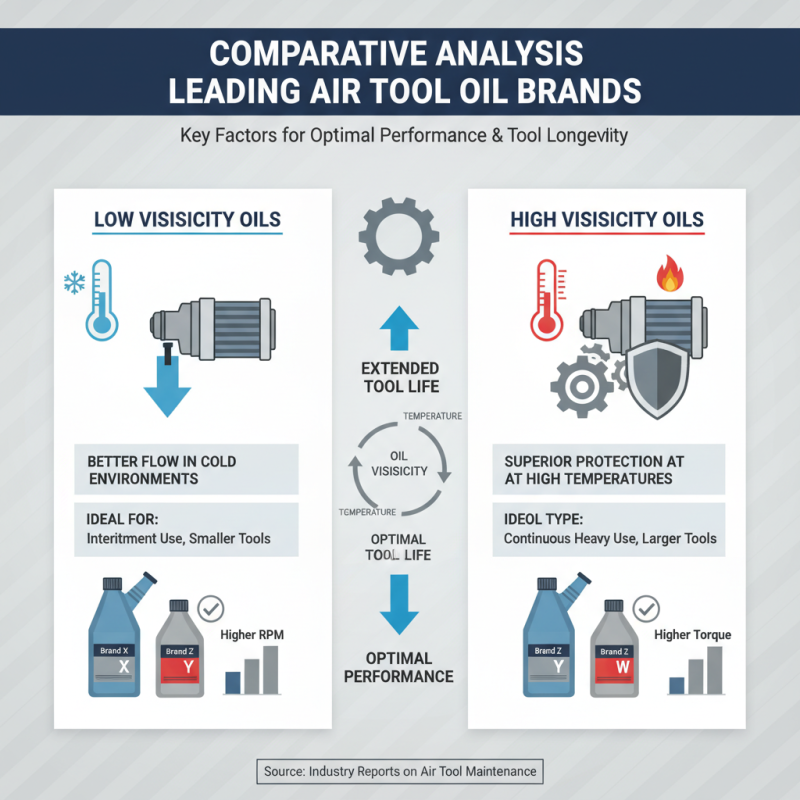
When selecting air tool oils, understanding the differences among leading brands is crucial. Industry reports indicate that oil viscosity plays a significant role in performance. Oils with lower viscosity offer better flow, especially in colder environments, while higher viscosity oils provide superior protection at high temperatures. The right viscosity ensures extended tool life and optimal performance during heavy use.
Tip: Always check the manufacturer's recommendations for viscosity levels tailored to your tools. Over time, many users overlook this, leading to premature wear and decreased efficiency.
Another critical factor is the oil's additive package. Quality air tool oils often contain rust and corrosion inhibitors. These ingredients are essential for maintaining tools in humid or variable environments. A comparative study shows a 30% increase in tool lifespan with oils featuring advanced additive technologies. However, not all products list detailed additive information, which can lead to confusion among users.
Tip: Look for oils with transparent ingredient labeling. A lack of clear information can indicate inferior products. Always conduct thorough research and prioritize options backed by effective performance data.
Tips for Maintaining Air Tools Using Proper Oils
Maintaining air tools requires the right oil for optimal performance. Using proper oils can greatly extend the life of your tools. According to a study by industry experts, more than 30% of tool failures are linked to inadequate lubrication. This figure highlights the importance of choosing quality oils tailored to your specific tools.
To maintain your air tools effectively, check oil levels regularly. Insufficient lubrication can lead to increased friction and overheating. It's advisable to change the oil every few months, depending on usage. A clean air supply also plays a critical role. Moisture and contaminants can degrade oil quality, so consider using filters.
Regular maintenance is key. Inspecting for leaks and worn seals can prevent oil loss. Using the correct viscosity oil is also vital. Oils that are too thin may not provide adequate protection, while overly thick oils could hinder performance. Remember, a well-maintained tool not only works better but also performs safely, reducing the risk of failures.
Oil Performance Evaluation for Air Tools
This chart represents the performance of different types of air tool oils based on key characteristics such as lubrication effectiveness, temperature stability, and moisture resistance. Proper maintenance of air tools with the right oil is crucial for optimal performance and longevity.